How to Choose a Basketball Rebounder for Individual Skill Work
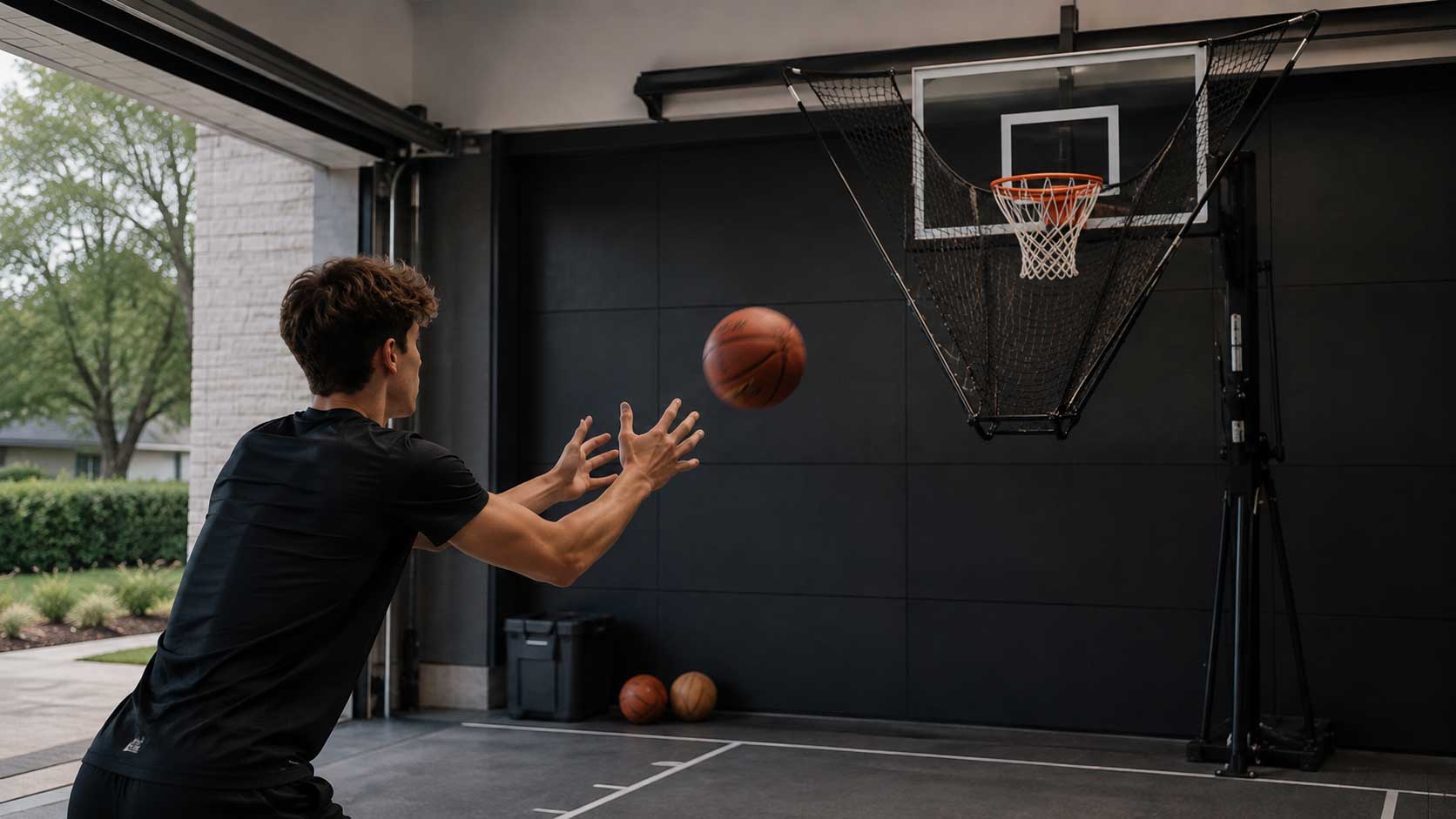
Table of contents
All five products: SKLZ Kick-Out $44.95, GoSports $79.99, IE Sports Adjustable Angle Rebounder $159.99, SKLZ Solo Assist $179.99, Dr. Dish iC3 $499.99.
Say you're building an off-season individual-work plan for a player. Buy the wrong rebounder and you won't find out until three weeks in, when the reps have quietly stopped happening because retrieval takes too long or the ball comes back at an unusable angle. That's the failure mode this guide is built to prevent — not a skill problem, a logistics problem, but a real one, and one we think coaches underweight.
Our take: match the equipment to the drill menu a specific player needs, not to a feature list or a price point. The criteria below hold whether you're setting up a driveway hoop or a program's off-season individual-work station.
Affiliate disclosure: Some links in this guide are Amazon Associates affiliate links, marked "(affiliate link)" where they appear. Brightfield may earn a commission on qualifying purchases made through these links, at no additional cost to you. Products are included because they meet the criteria below on spec — Brightfield has not tested them hands-on unless a section says otherwise.
Why the equipment choice matters
Reps per hour is the real variable a rebounder affects. A player shooting alone without one might complete 40–60 shots in a session once retrieval time is counted; the same session with a working rebounder can more than double that. Volume isn't the only input to skill development, but it's a precondition for the repetition that turns a correction into a habit.
The tool also changes what kind of work is possible alone. Catch-and-shoot reps, footwork-into-shot sequences, and combo moves all depend on a ball returning to a usable spot, at a usable pace, without a second person. A rebounder that returns the ball to the wrong spot or at an unusable speed limits your drill menu as much as slow retrieval does.
When to evaluate this purchase
Buy before the off-season plan starts, not mid-plan once a workaround has already become the habit. If you're building individual development plans for a full off-season, put the equipment decision in that same planning conversation — don't leave it as an afterthought once a player asks for one.
What to evaluate: four criteria that matter more than price alone
1. Return angle range and consistency
A rebounder that only returns made shots from directly in front of the rim supports one drill. A frame with an adjustable return angle supports catch-and-shoot work from multiple spots, which is closer to how a shot actually gets used in a game. Consistency matters as much as range — a return that varies unpredictably forces a player to chase the ball instead of catching it in rhythm, which works against the drill's purpose.
2. Ball-size and pressure compatibility
Youth-size and full-size balls behave differently off the same net or chute, and pressure affects bounce and return speed. Confirm the equipment is built for the ball size your player actually uses, not a generic listing — a mismatch here is the most common reason a rebounder gets used less than planned.
3. Portability and setup time
A rebounder that takes fifteen minutes to set up and store gets used less than one that takes two, for the same reason software with a slow workflow gets abandoned — friction at the start of a session works against the whole habit. If the equipment needs to move between a garage and a driveway or gym, weigh setup and breakdown time as heavily as return quality.
4. Cost relative to program level
Pricing spans a wide range. Fixed-angle, single-use frames for individual or driveway use have run roughly $100–$250. Adjustable-angle frames built for multiple drill types have run closer to $250–$500. Programs equipping a full individual-work station — multiple angles, ball-size flexibility, heavier-duty frames for daily use — have spent $500 and up per unit. Match the tier to how often the equipment will actually get used and by how many players, rather than defaulting to the highest tier.
Options worth evaluating
Ordered low to high by confirmed price, all pulled from Brightfield's own Amazon Associates links. None have been tested hands-on by Brightfield — where a durability or fit note appears below, it's drawn from aggregated customer reviews on that product's own listing, not from Brightfield's own use. We evaluated the Franklin Sports Basketball Rebounder for this list and dropped it: review data showed a recurring, basketball-specific complaint (net tearing within the first few uses, one reviewer calling it directly "not suitable for basketball") that outweighed its price and adjustability. We'll revisit that price band if a better-reviewed option turns up.
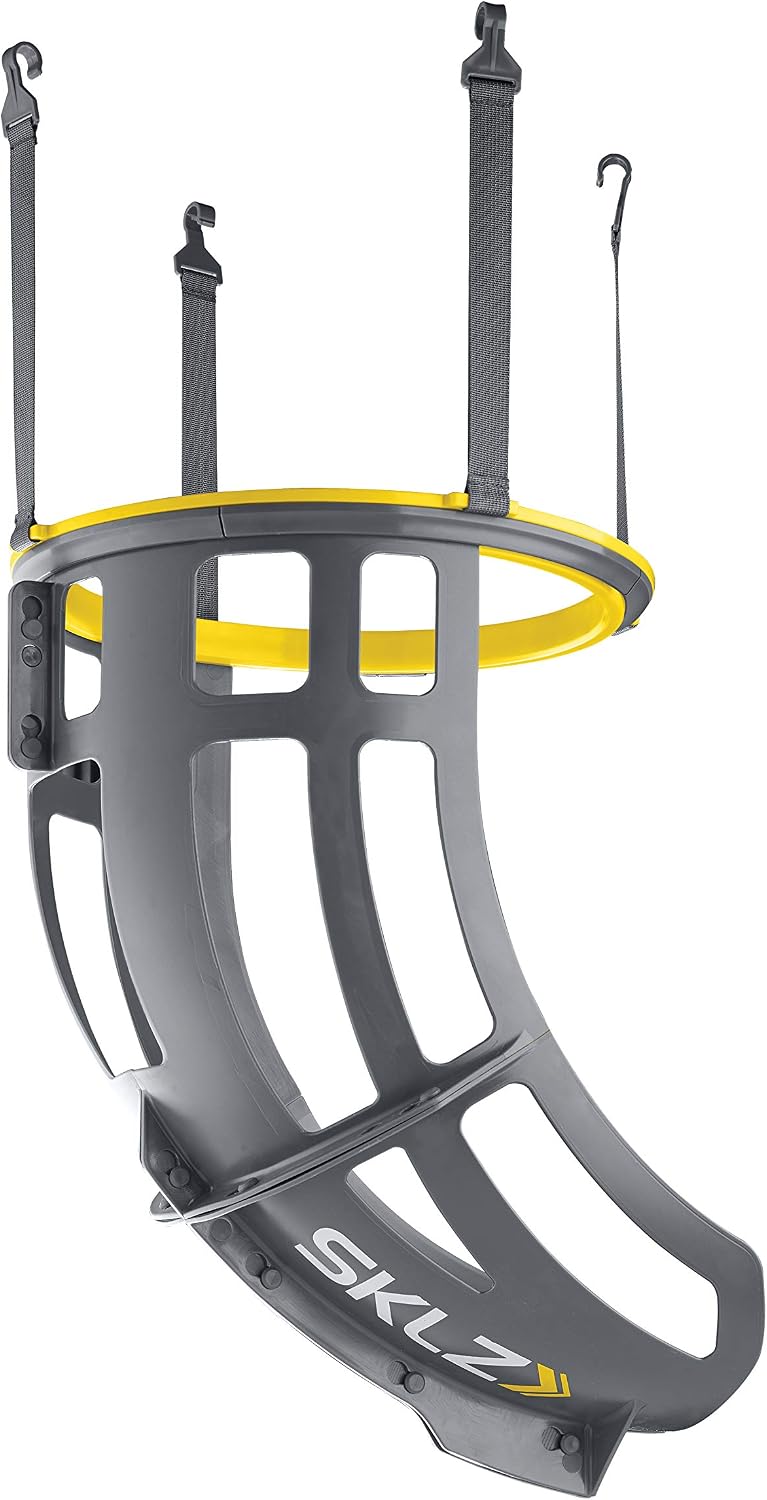
SKLZ Kick-Out Basketball Return Attachment — $44.95
View on Amazon (affiliate link) — confirmed price. Clips to the rim with a 360-degree rotating chute, hand-adjustable. Fits catch-and-shoot work from multiple spots off one made shot at a time; not a fit for a multi-station plan. Customer reviews consistently report the rim clips loosening or popping off under repeated made shots and the chute drifting off-angle over a session — budget for reinforcing the mounting hardware (zip ties, in most reviews) if this sees daily use.
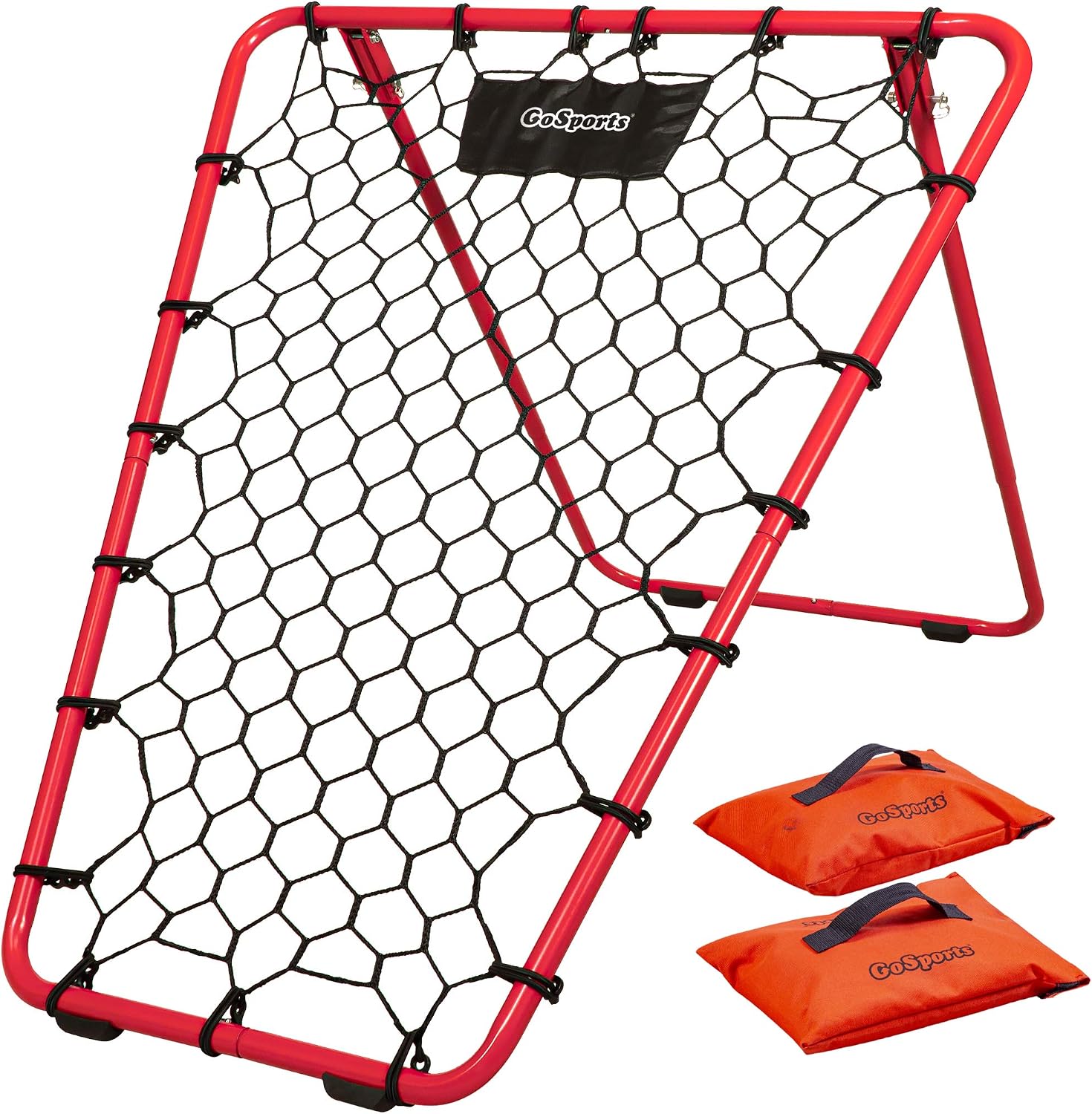
GoSports Basketball Rebounder (adjustable frame + sandbags) — $79.99
View on Amazon (affiliate link) — confirmed price. Freestanding, telescoping legs adjust both angle and return height, sandbag-stabilized (sand not included). Multiple reviewers note the net is tight and difficult to attach solo — plan on a second person for assembly. One reviewer flagged it's built for passback catch-and-shoot drills rather than absorbing shots directly under the rim; a ball coming straight off the rim is more likely to hit the frame's sides than return cleanly.
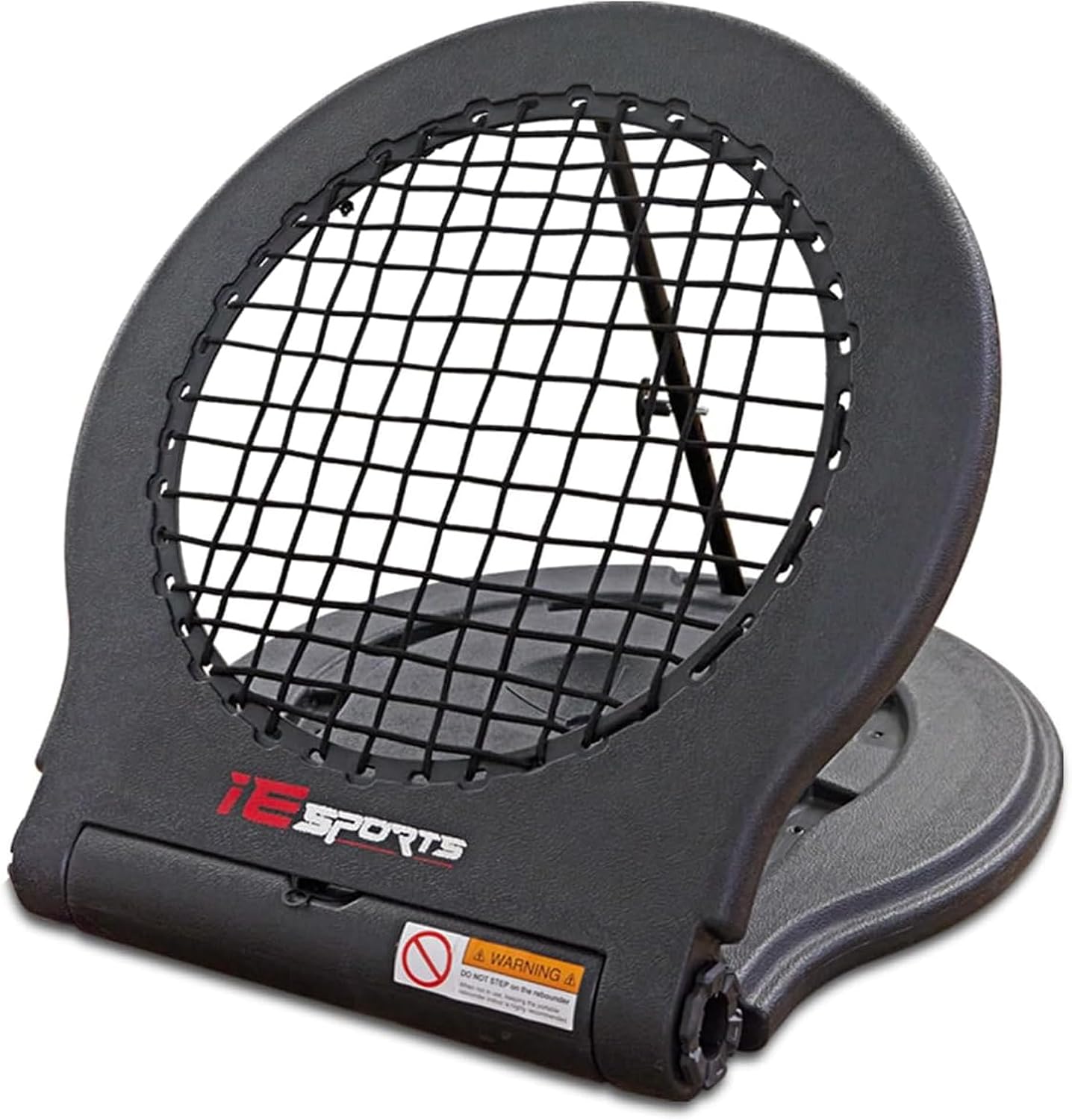
IE Sports Adjustable Angle Rebounder — $159.99
View on Amazon (affiliate link) — confirmed price. Nine angle positions, plus a two-sided net — a fast-response side and a slow-control side for players still building consistency. Assembles in about a minute, no tools. Reviews are mostly strong (4.1 stars), but include at least one detailed report that the net failed to catch and return shots reliably out of the box, and a longer-term outdoor user noted the elastic cords degrade with a year or two of full-sun exposure. Worth confirming return behavior against the seller's return policy before you commit a full off-season budget to it.
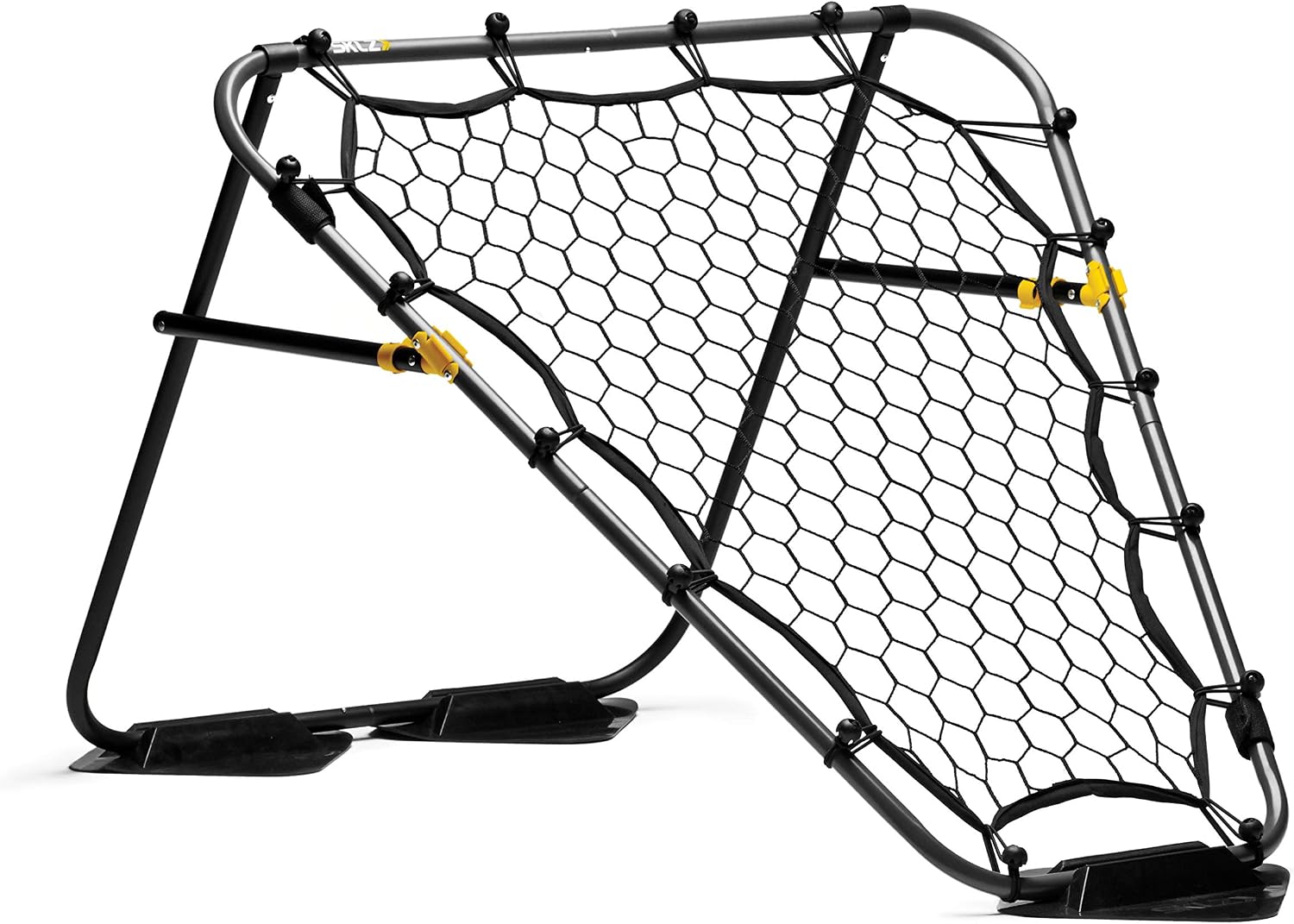
SKLZ Solo Assist 42" — $179.99
View on Amazon (affiliate link) — confirmed price, the most expensive passive rebounder on this list, currently sold by a third-party reseller with limited stock (1 unit at time of writing), so price and availability may shift before you click through. Wood-frame construction, built for passing and footwork drills as much as pure catch-and-shoot. Reviews note the net can be difficult to stretch onto the frame during assembly and recommend a second person; one reviewer reported a support cord tearing.
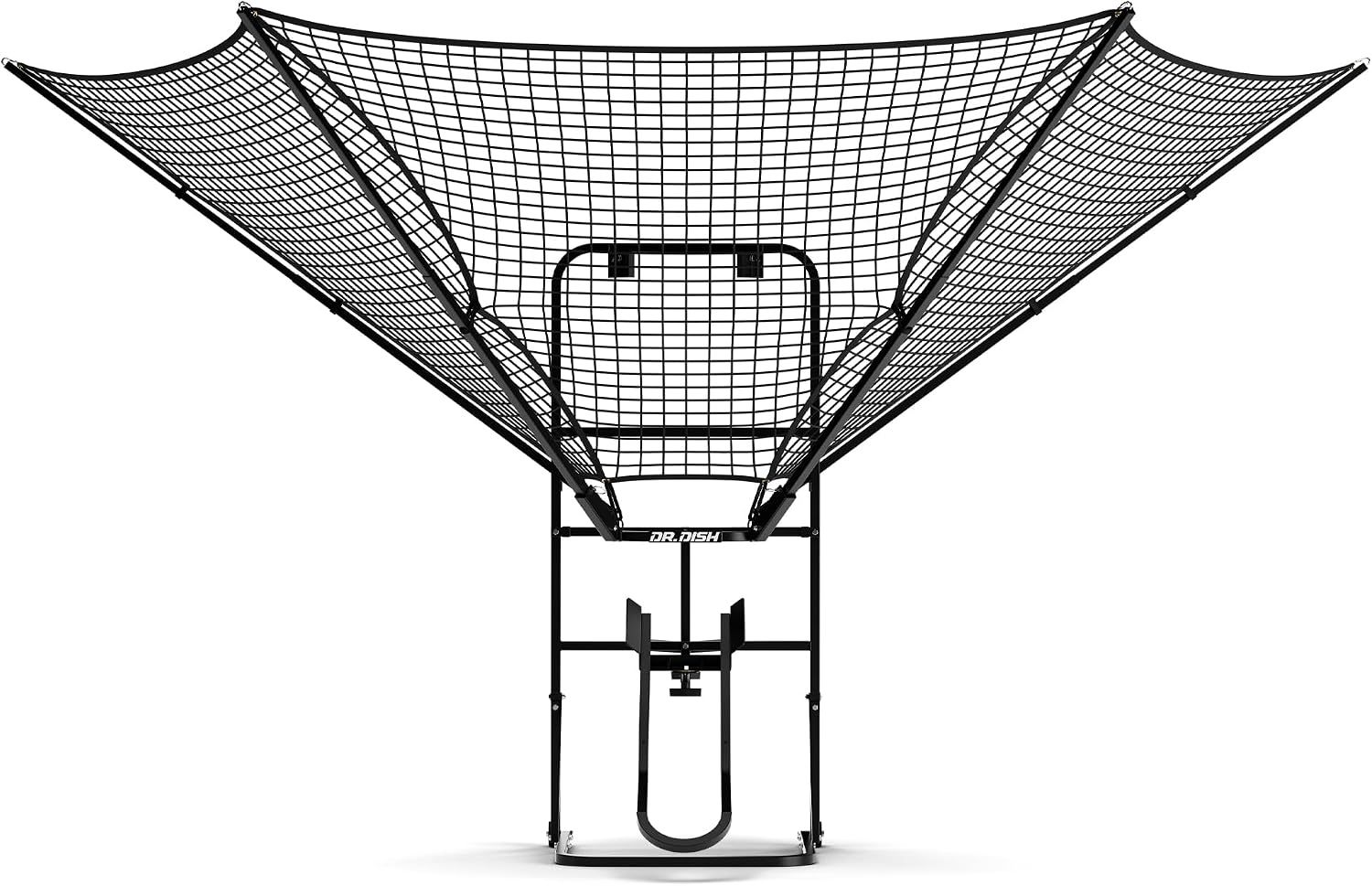
Dr. Dish iC3 — $499.99
View on Amazon (affiliate link) — confirmed price. Motorized — returns makes and misses instead of relying on net angle, up to 800 shots per hour with two balls, 35 lbs with wheels, folds to 22"×22"×59". The best-reviewed option on this list at 4.5 stars across 489 ratings. The one recurring complaint across reviews is the ball occasionally getting stuck at the net-to-hoop transition — several reviewers resolved it by tightening net tension during setup. This is the only option here where return consistency isn't a trade-off against price, which is why we'd point a program with the budget for it here first.
Common mistakes
- Buying for one drill instead of the drill menu your player actually needs. A fixed-angle rebounder that only supports straight-on catch-and-shoot work limits the plan to that one drill.
- Skipping the ball-compatibility check. A youth player using a full-size-only rebounder will get inconsistent returns that undercut the rep quality the tool was bought to improve.
- Underweighting setup time. Equipment that's a hassle to set up gets used in bursts around the purchase date and then sits once the novelty wears off.
- Assuming volume alone builds the skill. A rebounder increases reps per hour; it doesn't replace the coaching that determines whether those reps reinforce a correct habit or repeat a flaw. Equipment supports a development plan — it isn't one.
How this connects to player development
Equipment sits outside the film-review and feedback cycle, but it feeds it. A player who gets more usable reps between sessions gives you more material to observe, more chances to confirm whether a correction has become a habit, and less time lost to retrieval instead of repetition. The equipment doesn't decide what to work on — your development plan does. It just removes friction from doing the plan more often.
The right equipment matches the drill menu your player actually needs, not the highest-priced option on the shelf.
This list will be updated as products are tested hands-on and as pricing and availability change — confirm current price on Amazon before buying, since both shift independently of this guide.
Frequently asked
Newsletter
Get the Brightfield Brief
Weekly coaching intelligence — film-review frameworks, player-development science, and practice-planning templates. No fluff.
Author
Brightfield Editorial
Editorial Team
The Brightfield Basketball editorial team publishes frameworks for modern player development.